
Types of Cyber Attacks Explained (Phishing, Malware, Ransomware)
A simple guide to phishing, malware, and ransomware, and how to protect yourself from common cyberattacks.
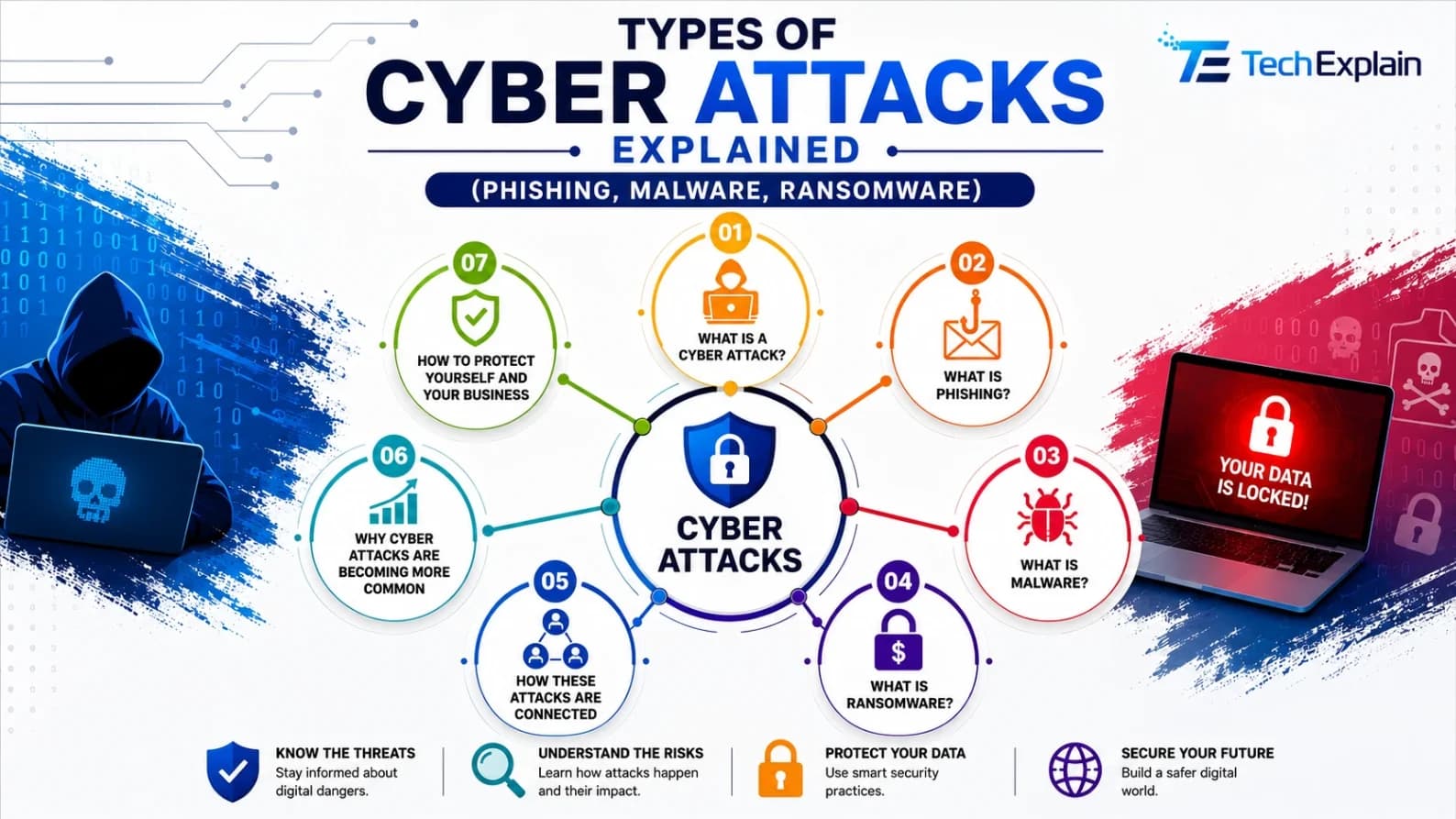
Malicious acts that try to damage computers, steal data, or break networks. The three most common types are phishing, malware, and ransomware. You can learn more about how agencies defend against these threats from the CISA Cybersecurity Guide.
Millions of emails, messages, and files downloaded every day are employed by criminal gangs to infiltrate the computers, phones, and corporate systems of unsuspecting victims. These attempts at cyberattacks have evolved into some of the greatest threats to both individuals and businesses. No matter whether it's an attempt to hack through the computer of the victim via an imitating email that is posing as their bank or through a virus contained within the files downloaded, or even ransom for data locked by hackers in the entire network of the company, there are numerous types of cyber attacks. Most individuals are familiar with the terms such as phishing, malware, and ransomware, but they are unaware of the definitions and differences between these concepts. Familiarizing oneself with these simple types of cyber attacks is the easiest way to prevent becoming another victim of such attacks.
What Is a Cyber Attack?

Any activity where an individual attempts to illegally access a computer, a phone, a network, or any other piece of information is referred to as a cyber attack. The aim of carrying out such acts is to steal information, destroy data, or ask for money. This kind of attack can be directed at any person, firm, institution, or organization.
There have been advances in cyber attacks in recent times, in part, due to the fact that the people involved now have better resources at their disposal, such as artificial intelligence, which makes it easier for them to create messages that look genuine and detect vulnerabilities in the system. This is precisely why knowing the different types of attacks is important.
What Is Phishing

The phishing attack is one of the oldest and most frequently used attacks in the world of cyberspace. Generally, phishing uses an email, message, or web page that looks like it is coming from a legitimate source such as banks, companies, or even fellow workers. The main purpose of the phishing attack is to make the receiver click on a dangerous link, download a malicious file, or even type in confidential information on the phony website.
Phishing attacks continue to be extremely common because phishing is based on human deception rather than overcoming technical security measures. In fact, a good number of cyber attacks start with a phishing email because it is easier to deceive people than to hack into a secure system. Moreover, phishing attacks have become harder to detect since hackers have been making use of advanced technologies to compose emails that lack the grammatical errors that were previously one of the best ways of knowing whether an email was from a hacker or not. One of the forms of phishing that has emerged recently is smishing.
What Is Malware?

Definition: Malware refers to all software designed with the purpose of inflicting harm. The term malware is made by the combination of two words, which are "malicious" and "software." It may steal information without being known to you, damage your files, spy on your activities, or control your computer from afar.
There are various kinds of malware. Some are created with the intention of secretly harvesting passwords and other private information that is stored in the system, while others are made specifically to duplicate and propagate themselves to other computers or devices. Some of these malwares are also embedded into normal-looking files and software programs until they are activated. In most cases, malware is distributed through email attachments, downloads, and malicious links, which means clicking on just any document or link could result in a system-wide attack. All businesses, big and small, are continuously under attack from malware, and it is especially costly for small businesses, which may not have the most effective security measures.
What Is Ransomware?

Ransomware is one of the forms of malware that can be identified by its specific and highly malicious nature. After the system is infected with ransomware, the files of the victim will be locked or encrypted, which will prevent them from being opened. The attackers who use ransomware will demand a ransom fee, which will unlock the files of the victim, or in some cases, leak their data.
Ransomware attacks have emerged as one of the most dreaded forms of cyber attacks against corporations, healthcare facilities, schools, and even governmental offices because the attacks completely disrupt the everyday functions of an organization until the matter gets resolved. Moreover, even if the demanded ransom is paid, it is not certain that the entire data will be successfully recovered, and the cost incurred by an organization in recovery is often much greater than the amount of ransom that has been demanded. Hence, ransomware attacks are considered to be one of the most costly forms of cybercrime.
How These Attacks Are Connected

Although phishing, malware, and ransomware are commonly mentioned separately in regards to cybersecurity issues, the three tend to come together when they are applied. For instance, a usual ransomware attack would begin with an ordinary phishing message. By opening a malicious link or downloading an infected attachment from such an email, the user installs malware on his/her computer. This malware can then propagate through the whole system and deliver ransomware in the end.
The above chain will help you understand why phishing is viewed as the first line of defense in preventing cyberattacks. If you prevent an attack at the phishing level, then you have saved yourself from any harm that could have occurred as a result of the malware and ransomware.
Why Cyber Attacks Are Becoming More Common
There are many reasons why there has been an increase in cyberattacks worldwide. The increased use of artificial intelligence by hackers has ensured that phishing e-mails have become more realistic and difficult to spot, besides allowing criminals to scan systems for vulnerabilities at a faster pace than before. On the other hand, there is also a huge increase in the number of internet-connected devices, which includes personal phones, laptops, and smart home devices as well as corporate systems.
They are more prone because, although they possess sensitive information that could be used by hackers, they do not have the expertise and security tools that bigger firms use. Such tactics, coupled with an increase in targets every year,r contribute significantly to the annual rise in cases of cyber attacks in almost all sectors and regions of the world.
How to Protect Yourself and Your Business
It doesn’t necessarily take being a tech-savvy person to protect yourself from cyber attacks, although what it does take is constant good practice. The simplest way to make sure you’re not falling for phishing schemes is by being wary of unusual emails or text messages, particularly those that tell you to click on a link or download an attachment. Checking the real email address of the sender will also help you spot many fakes.
Updating the software, OS, and antivirus programs is an effective way of closing those vulnerabilities that malicious code exploits to penetrate your system. Strong passwords that are never used twice, coupled with an additional level of protection, such as two-factor authentication, will make hacking virtually impossible even in the case that some of your passwords will be discovered by hackers. Regular backup of your most valuable files, preferably stored in an isolated area of your network, can turn out to be incredibly helpful should any ransomware get inside your system – you'll simply be able to retrieve all of your files without paying anything in return.
In organizations, training of staff to identify phishing alerts, as well as the implementation of robust technological safeguards and contingency plans for dealing with possible attacks, can greatly lower both the likelihood of a successful attack and the extent of any resulting harm.
Other Common Types of Cyber Attacks
Other than phishing, malware, and ransomware, there are a few additional attack types which you should be aware of, mainly because they accompany the previously mentioned ones. The term “social engineering” is a more generic one and refers to any manipulation of a person for the purposes of gaining access to sensitive data. Phishing can thus be considered one example of social engineering. Another technique involves impersonating a co-worker or supplier in order to deceive an employee into making a payment of any sensitive information.
Credential-based attacks are a rising menace, whereby the cybercriminal uses someone else’s usernames and passwords that he obtains through purchase from the black market following earlier hacking activities. This type of cyber threat is particularly worrying because, most times, it will not attract any alerts that a computer system would raise when a hack occurs, as the hacker uses legitimate credentials to sign on as a user. Denial-of-service attacks represent a separate kind of cyber threat whereby a website or online service provider is overloaded with too many requests by the hacker such that it cannot serve its actual clients effectively. Being aware of the existence of various kinds of cyber attacks and understanding their interrelation sheds light on the diversity of cyber threats today.
Conclusion
There are three main types of cyber attacks that are currently the most popular and harmful to people and organizations – phishing, malware, and ransomware, which should be thoroughly understood in order to protect oneself from them. People fall victim to phishing by giving out their access; malware starts working once it infects their computer, while ransomware steals valuable information for ransom, and these three attacks often occur as one unified chain in the real world.
Even as the level of cyber threat increases through the use of technology, there are still basic measures that one can take in order to protect themselves from the risks involved. These include things like being careful with emails, having an updated system, having secure passwords, and backing up all data. Understanding how these types of cyber threats work is not only good for IT professionals but a useful practice for everyone on the internet.
Share this article
Related Articles
What Is Ransomware and How to Protect Yourself
Ransomware locks or steals your files and demands payment to restore them. This guide explains how it spreads and how to stay safe.
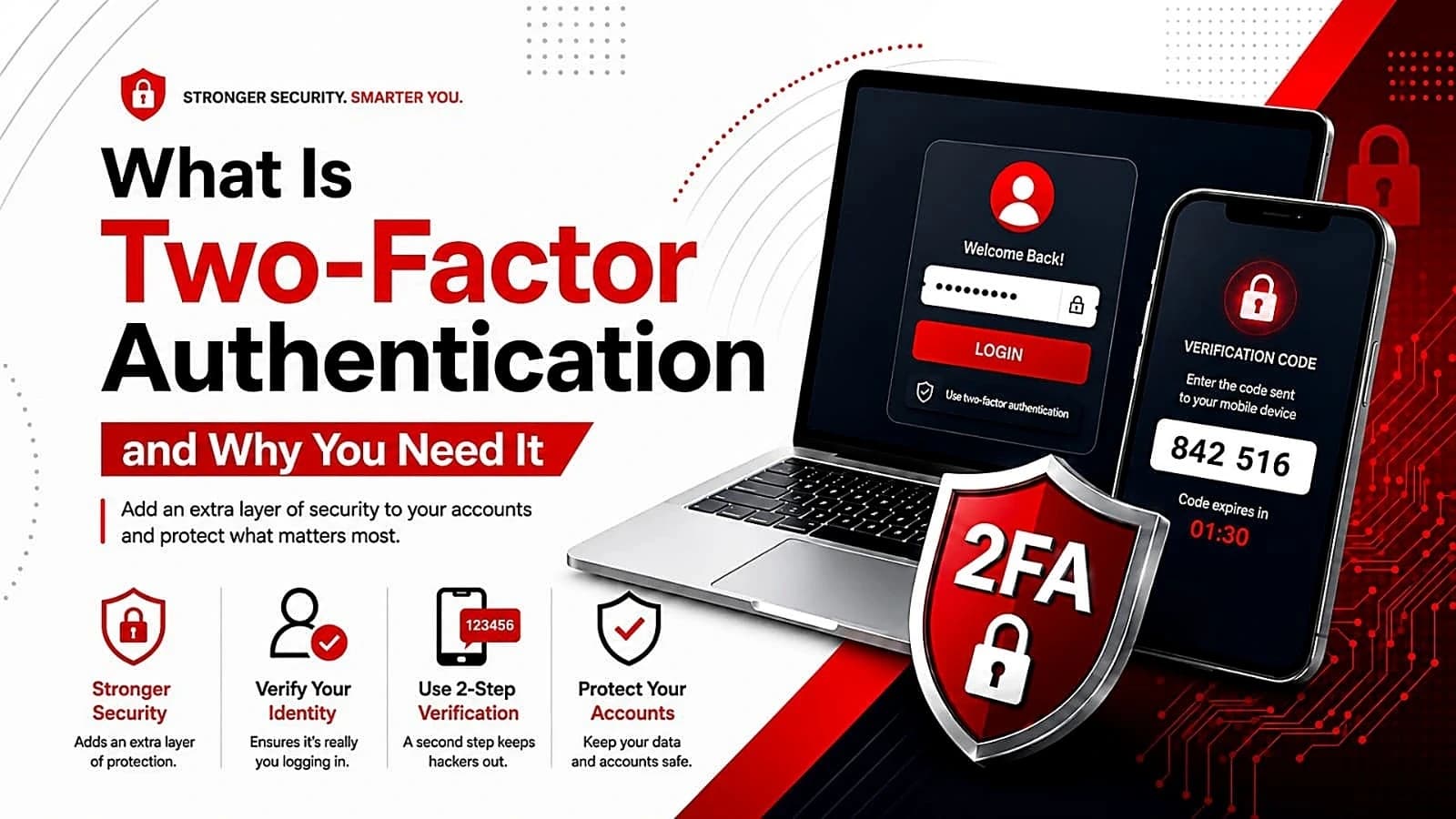
What Is Two-Factor Authentication and Why You Need It
Two-factor authentication adds a second security step to your login, so your account stays safe even if your password gets stolen.
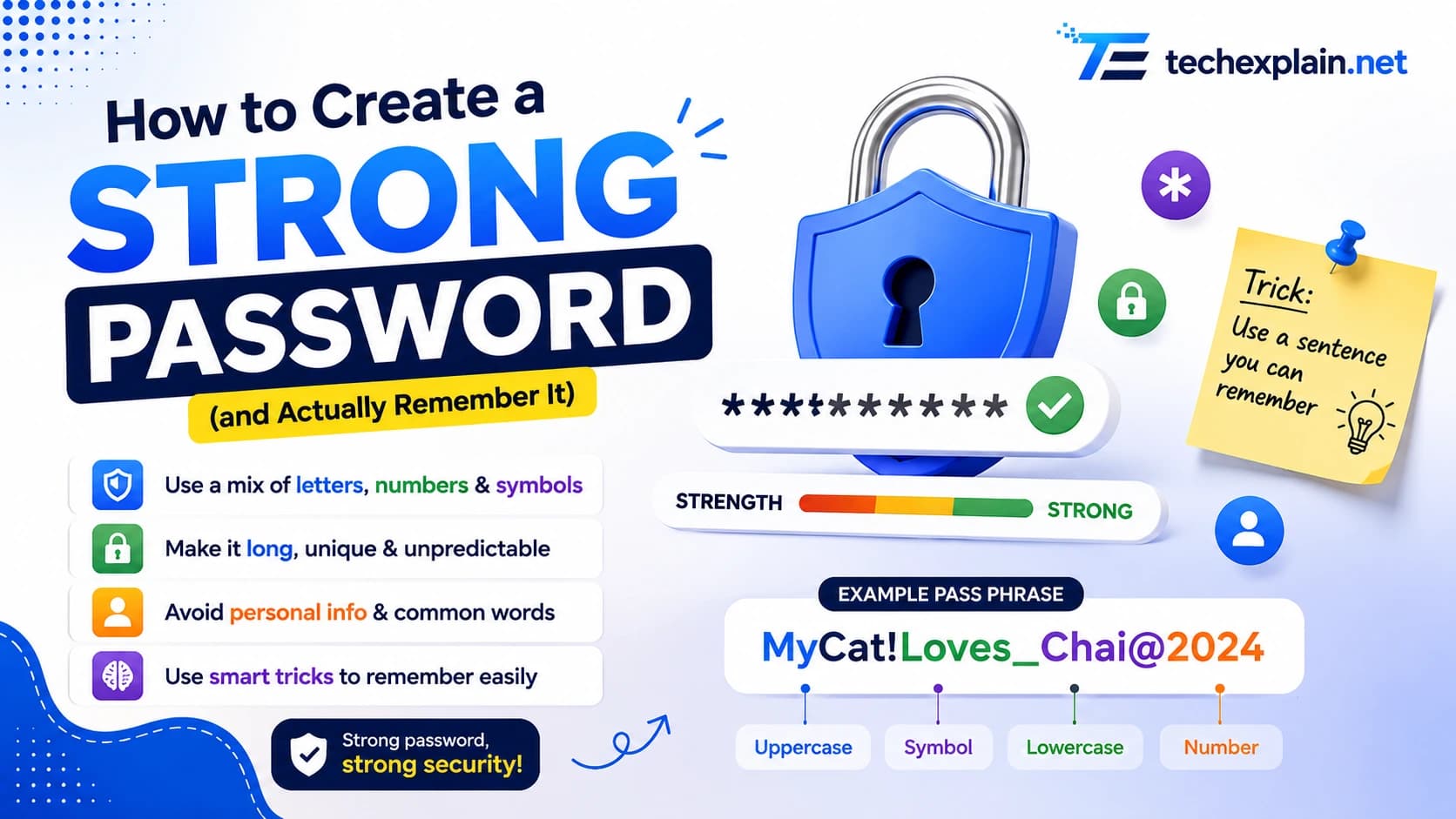
How to Create a Strong Password (and Actually Remember It)
Learn how to build a long, memorable password (or passphrase) that's actually hard to crack, plus tips on password managers and two-factor login.