
On-Page vs Off-Page SEO: What's the Difference?
A simple guide explaining the difference between on-page and off-page SEO, and why both are needed to rank well.
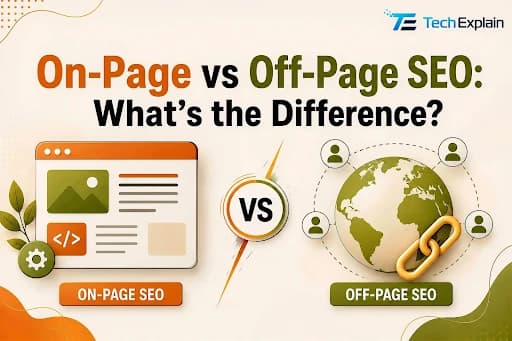
The main difference is that on-page SEO involves optimizing elements inside your website, while off-page SEO involves actions taken outside your website to build authority. Most users on Quora agree that both are required to rank well, as they target different ways search engines judge your site
When studying SEO, most of you have probably encountered such terms as on-page SEO and off-page SEO. Beginners often struggle with the distinction between these two because they seem to perform the same function – helping the website to rank higher in Google. However, as you can see, they play significantly different roles in the process of website ranking. And understanding how these two types of SEO work is vital when it comes to creating a website that is optimized and ranks well. Building a website is somewhat similar to opening a store. In that case, on-page SEO would be comparable to having the shop clean, well-organized, and easy to navigate. Meanwhile, off-page SEO is the reputation of the shop in the area, which encourages people to talk about it and recommend it even before they actually visit it. The shop could be perfect in appearance, but if no one believes in it and speaks about it, no new clients will enter it. In this article, we will explain what on-page and off-page SEO actually mean, how they differ from each other, and why websites generally require both.
What Is On-Page SEO?

On-page optimization techniques include all those things that can be controlled from your end within your own website, which help your site rank higher. These techniques include all your content, including keywords, headings, title tags, meta description, images, internal links, and your page's relevance to the search of the user visiting it.
On-page SEO does not only involve the placement of keywords in the content. On-page SEO involves ensuring that the content you create is relevant, well-organized and user - friendly, and also contains the right words or phrases used by users when searching for something online. Technical factors involved in on-page SEO include ensuring your site is fast-loading, is mobile-friendly, and navigable for both the user and the search engine crawler. Simply put, on-page SEO tells the search engines what your page is all about.
What Is Off-Page SEO?
What is off-page SEO? Off-page SEO is all about the activities taking place outside your website that influence how search engines perceive your website. In contrast to on-page SEO, which is completely in your control, off-page SEO activities depend mostly on what others do for your website.
Backlinks are the most popular form of off-page SEO, whereby links from other sites lead back to your site. Links from reputable websites linking back to your page show a recommendation from the other websites, and Google will see this as a sign of trust. Off-page SEO is not just limited to backlinks; it includes things such as people referring to your company name on the internet, mentions of your brand on social media sites, or even mentions of your website from other webpages without linking to your website.
The Core Difference Between the Two
This difference can be explained in the most straightforward manner like this – on-page SEO demonstrates relevance and quality, whereas off-page SEO demonstrates authority and trust. The former type of SEO makes Google understand what your website page is all about and whether it is worth reading and using. The latter type of SEO makes Google realize whether your website page is credible.
On the other hand, we can also look at it as on-page SEO is all about what you say about your website itself, whereas off-page SEO is all about what other people are saying about your website. In terms of importance to search engines, both have their value, but they actually address two completely different questions. On-page SEO addresses the question of whether the page is relevant to the search or not, whereas off-page SEO asks whether the website is reliable.
Why On-Page SEO Alone Is Not Enough

One common belief among novices is that creating good content will be sufficient to achieve a high ranking position, but this is usually not the case, particularly for popular keywords. The quality of content may be very high, very structured, and contain a lot of useful information; However, the page may still fail to rank if it does not receive any external links pointing to it and discussing it. This way, there is nothing that would make search engines consider the page superior to others.
This is precisely the reason why simply depending on on-page SEO can lead to a website that ranks highly at first but subsequently starts losing rank, particularly in niches that have a lot of competition.
Why Off-Page SEO Alone Is Not Enough Either
This is just as true the other way around too. Even though a site may have an abundance of backlinks and mentions all over the Internet, if the content itself is weak and out-of-date, or disorganized, then the users won't stay on the site for very long and will end up leaving, thus alerting the search engine that something is wrong since the users are not happy once they get there.
This explains why, when only off-page SEO techniques are used, you will receive mentions and links, but these mentions and links will not help to bring organic traffic.
How On-Page and Off-Page SEO Work Together
The best SEO tactics consider on-page and off-page SEO to be two interconnected elements within a larger scheme. On-page SEO creates the technical and content groundwork, while off-page SEO expands on it by increasing the website’s presence and adding external authority to it. Combined, these elements create a far stronger signal to search engines about how your website should be ranking.
In most cases, it involves creating a good on-page basis where all your essential pages have been written in a good manner, technically sound, and valuable, before working hard at getting backlinks and external authority. A page that has not been built properly but receives many external citations will not last long in terms of rankings, while an amazing page that lacks any external citations can never be found.
Which One Should You Focus On First?
In the case of new sites, it is better to concentrate on on-page SEO. It implies creating a powerful base of high-quality content, correct website architecture, good performance, etc., before investing much time and resources into off-page SEO. Off-page SEO will be wasted on those websites that lack the quality needed for ranking once noticed by search engines.
For well-established websites that have decent content and site performance, it is usually more productive for them to focus on off-page SEO tactics like creating good backlinks, getting authentic brand mentions, and increasing their online authority than anything else. In the competitive industry, a strategy where both on and off-page SEO tactics are pursued simultaneously tends to yield better and more lasting results.
Common Mistakes to Avoid
A frequent error in this regard is the belief that on-page and off-page SEO have absolutely nothing in common with each other, but are two entirely different boxes to tick. While some site owners will invest a lot in link building, yet neglect their poor or old content, others will work hard to make their content look perfect, but never think about links at all.
Another one of these mistakes is trying to control one or both sides in an unnatural way – from adding too many keywords to a text in an unnatural way to buying numerous bad - quality backlinks. Modern search engines are now very good at identifying such tricks, and they usually turn out to be harmful, even reducing a site's ranking.
Simple Examples of Each in Action
Sometimes, it is beneficial to have a look at some real-life examples. For example, let’s say you own an online store selling handmade candles. Good on-page optimization of your site could consist of creating an informative description of the product containing some keywords like “handmade soy candles,” in addition to the proper title tags, descriptions, loading speed of the product page, and alt text for the image. All these things happen right on your site.
SEO off-page efforts for the same shop could be, for example, a famous home decor blog posting an article about your candles, including backlinks to your site; your customers posting pictures of their purchases on social media sites; or a small competitor including a mention of your shop in a post about other local businesses. While none of those activities are taking place on your own web pages, each of them is communicating to search engines that there are people out there in the real world who consider your business valuable enough to mention or link to.
By comparing the two examples, one thing is clear: On-page SEO is what happens within the confines of your own office walls, and off-page SEO is what others will create for you in the outside world.
Conclusion
On-page and off-page SEO do not compete against each other; rather, they are two sides of one and the same process, namely, making your website popular and trustworthy in the eyes of both visitors and search engines. On-page SEO informs Google about the content of your website and how useful it is to those who look for something online, whereas off-page SEO informs Google about how reliable your website is in the eyes of everyone else on the web.
Neither of them alone is sufficient. Websites that are ranking well for an extended period of time are the websites that have built their on-page foundations first and then established their authority off the page. Instead of opting for one at the expense of the other, what you should do is use them as complementary sides of the same coin to create a site that is truly trusted by both search engines and people visiting the site.
Share this article
Related Articles
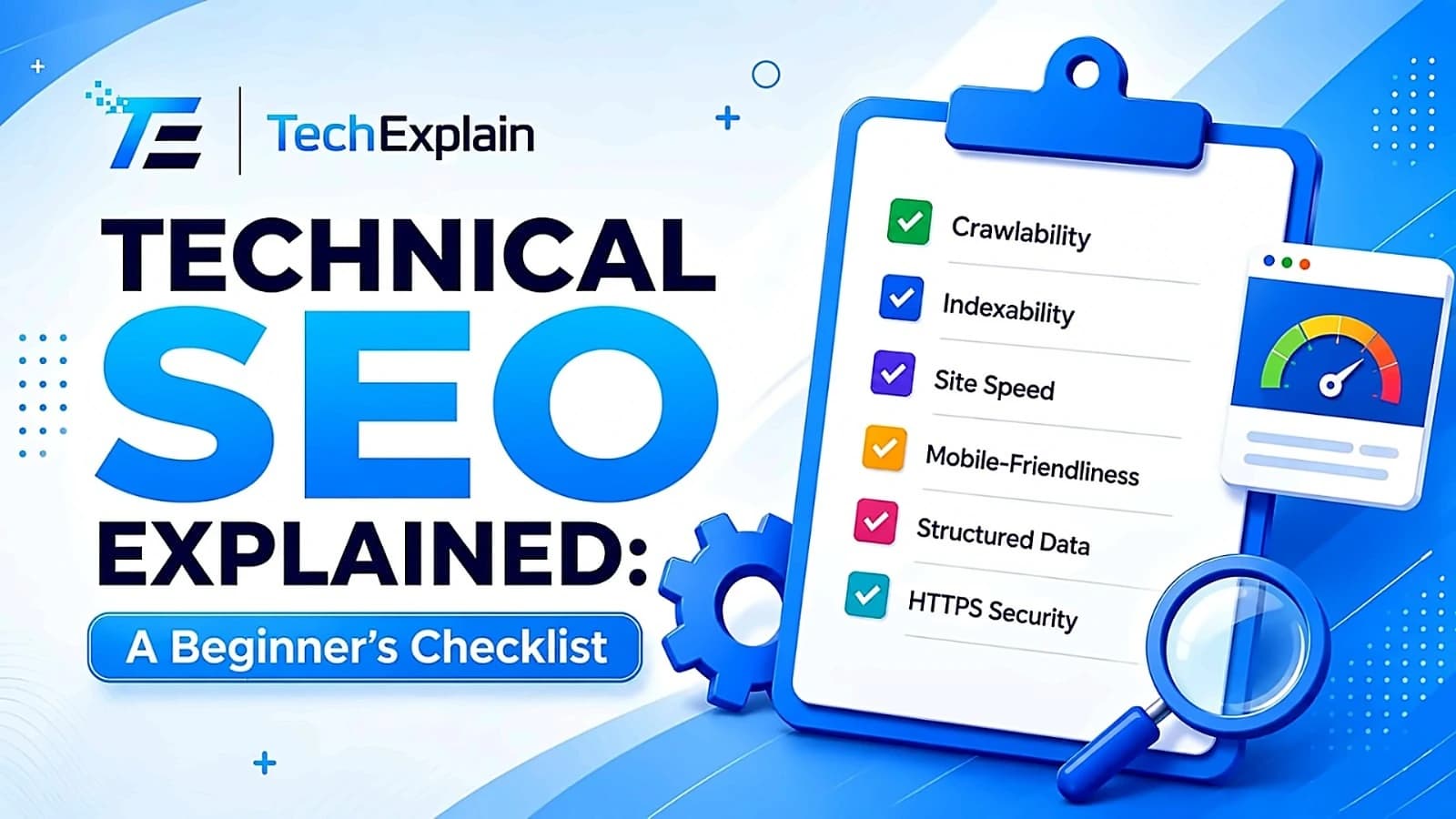
Technical SEO Explained: A Beginner's Checklist
This guide breaks down technical SEO into a simple checklist so beginners can find and fix the issues stopping their site from ranking.
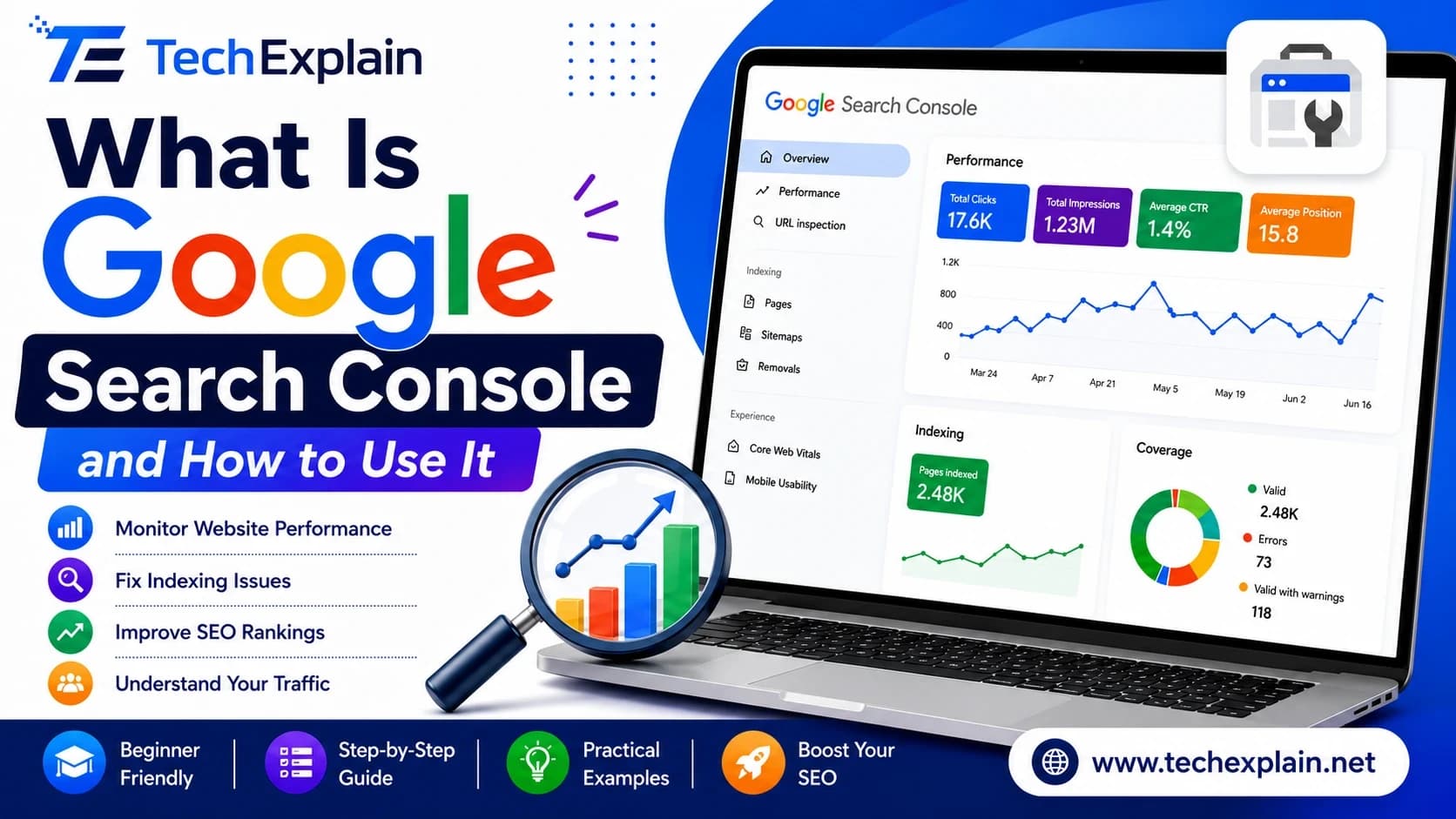
What Is Google Search Console and How to Use It
Google Search Console is a free Google tool that shows how your website performs in search, helps fix errors, and boosts your SEO.

Best Free SEO Tools for Beginners in 2026
This article lists the top free SEO tools you can use in 2026 to research keywords, fix website problems, and get more visitors from Google, without paying anything.