What Is a VPN and Do You Really Need One in 2026?
A VPN hides your online activity and can protect you on public Wi-Fi, but it's not needed by everyone in every situation.
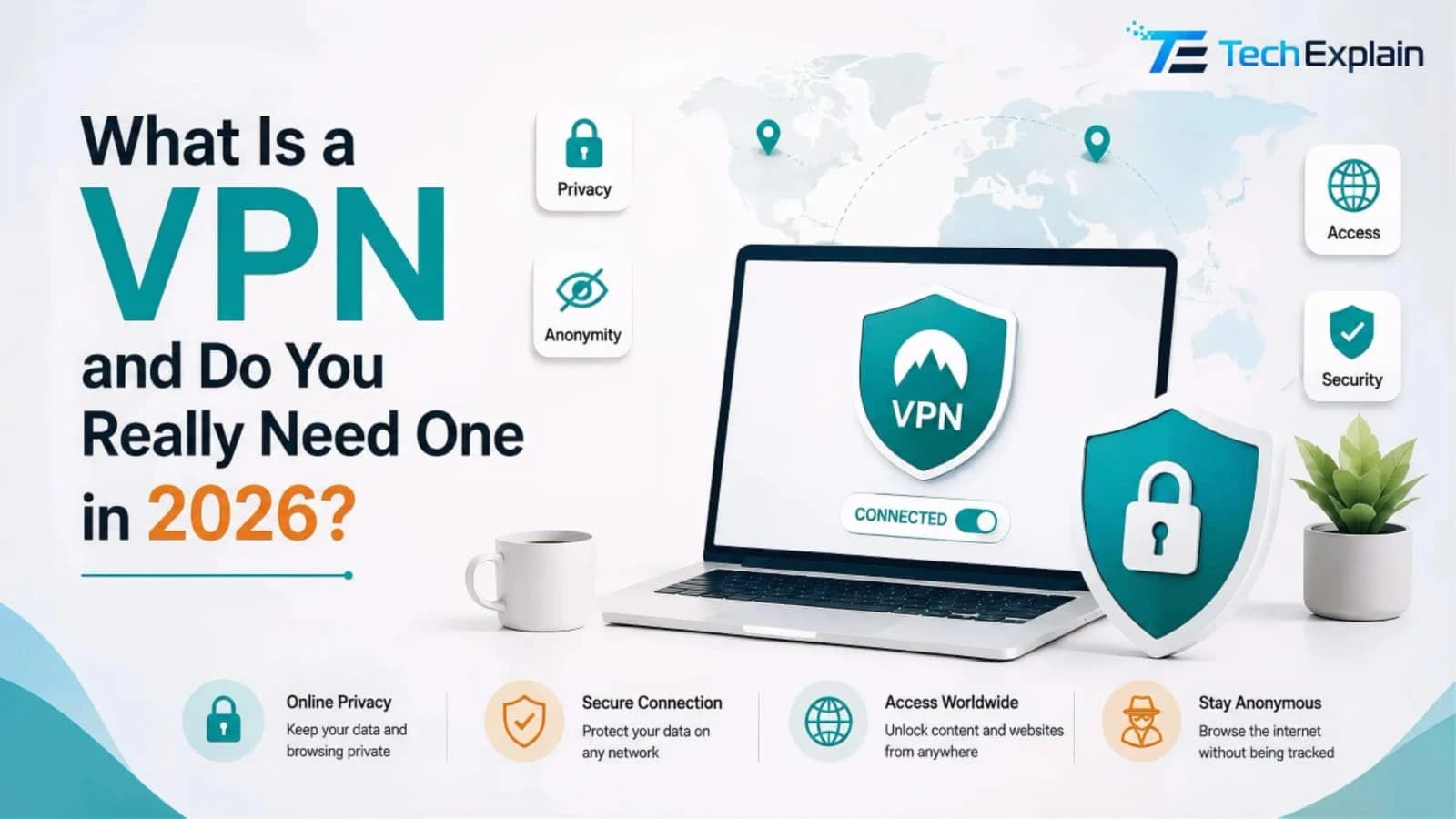
A Virtual Private Network (VPN) encrypts your internet traffic and hides your IP address by routing your connection through a secure remote server. Whether you need one depends on your habits; it is essential if you use public Wi-Fi, travel frequently, or want to stop your Internet Service Provider (ISP) from tracking your data, but optional if you only browse safely from a trusted home network
If you spend any time online, you have probably seen ads for VPNs. They promise to hide your identity, unlock shows from other countries, and keep hackers away. But what does a VPN actually do, and is it something you truly need in 2026? This guide breaks it down in plain, simple English so you can decide for yourself.
What Is a VPN, Really?

The acronym "VPN" means Virtual Private Network. A VPN is basically a technology that forms a tunnel between your computer and the internet. Once you connect to a virtual private network, the data from your computer will no longer travel directly to the site you are visiting. It will travel via the server of the VPN company before reaching your destination site.
This procedure has two crucial advantages. Secondly, it encrypts your data, which makes it impossible for any third party to decipher it. Imagine writing a letter. When you do not have a virtual private network (VPN), your internet service provider (ISP) becomes the postman. This postman cannot open the letter because all modern web pages use HTTPS protection, as marked with the padlock icon in your browser. However, he still can see the address written on the envelope. This means your ISP can monitor which pages you visit but has no access to what you write or click on those pages. A VPN encrypts everything, including the destination address, so your ISP will know that you connect to a VPN server and nothing else.
How Does a VPN Actually Work?
Once you establish a connection with a Virtual Private Network (VPN), both your computer and the VPN server will establish a secure tunnel using what is referred to as a tunneling protocol. A tunneling protocol can be defined as a set of guidelines that define how your information will be encrypted, transferred, and then decrypted. The two common tunneling protocols are WireGuard and OpenVPN. WireGuard is newer and much faster than OpenVPN, hence the reason most contemporary applications utilize WireGuard.
Quick Reference: Do You Need a VPN?
Situation | Do You Need a VPN? | Why |
Using public Wi-Fi (cafes, airports, hotels) | Yes | Open networks make it easier for others to intercept your data |
Working remotely and accessing company systems | Yes, if required | Creates a secure link to protect sensitive business data |
Browsing from a secure, password-protected home network | Optional | Home traffic is already fairly secure; HTTPS covers most content |
Wanting full anonymity online | No, not alone | A VPN hides your IP but not cookies, logins, or fingerprinting |
Needing malware or virus protection | No | A VPN protects your connection, not your device |
Concerned about your ISP tracking your browsing | Yes | A VPN stops your provider from seeing which sites you visit |
Why Do People Use VPNs?
Here are some of the most popular reasons for using a virtual private network, and recognizing these can help you understand whether any of these apply to your situation.
Protecting yourself on public Wi-Fi. Anyone using this type of Wi-Fi connection can access data being transferred by other users who are also connected to the same Wi-Fi network.
Accessing content from other regions. One of the most common reasons why people use a paid-for VPN is because of such limitations. It’s possible that there may be some streaming websites or news sites that offer limited access to information depending upon your location. When you connect your system to the server of another country via a virtual private network, it seems like you are browsing from another location.
Reducing your exposure during a rise in cybercrime. Online security threats have become sophisticated. More often, automated software programs and advanced phishing tactics are encountered, and there is a constant leak of sensitive data like email addresses and passwords. Though a virtual private network cannot protect you from all types of cyber attacks, it limits the amount of information available to an eavesdropper in your network.
What a VPN Cannot Do
It is equally important to know the limitations of a VPN, as marketing may often exaggerate its capabilities.
VPNs do not provide total anonymity. When you log in to your email/social media account using a VPN connection, you are precisely known to the website.
The purpose of a VPN is not to replace the use of anti-virus applications. The main functions of a virtual private network do not include scanning the computer for any malware, preventing the downloading of any malicious software, or stopping users from clicking any phishing links sent via email.
The use of a VPN offers little additional security to your Wi-Fi at home. If you have a well-encrypted password and use current encryption standards at home, your connection at home should be quite secure. Where a virtual private network really shines is on connections you don’t control, like free Wi-Fi.
The use of a VPN service is not the same as security measures provided by many routers today, some branded as "smart" because of this feature. These routers block websites known to be harmful and detect infected machines connected to your network according to their traffic behavior. It is an excellent method of protecting yourself from any threats, but it cannot help you to hide your IP address or secure your online traffic as a good VPN service can.
Is a Free VPN a Good Idea?

A free service can always seem like an interesting option, but there are several aspects to consider. First of all, providing services via VPN requires certain expenses, so a company offering a free service has to earn money by other means. Most often it means collecting and selling your information, which makes no sense at all when you try to use a VPN to keep yourself anonymous. The service can provide you with slower speeds, restrictions in traffic usage, and even a lower level of protection compared to paid ones.
So, Do You Actually Need One in 2026?
The simple answer would be whether you make use of the internet or not. If you are someone who constantly connects to Wi-Fi hotspots in places like coffee shops, airports, or hotels, then the need for a VPN becomes necessary. In case you travel a lot and you wish to connect to a service in your native land, or you wish to view content that can only be viewed in specific regions, a VPN would come in handy.
But then again, if you usually browse the internet from the comfort of your own home on an internet connection that is secure, that is password-protected, and you take care while clicking on links and use proper passwords, then the daily benefit of using a Virtual Private Network is less for you. You are already encrypting your internet traffic to all websites through HTTPS, and you are using a personal network.
Nevertheless, online dangers have evolved to become more advanced as well. The rise of automated attack software, more deceptive phishing schemes, and major data leaks has made online privacy an increasingly pressing issue for everyday people as compared to before. People who previously considered a virtual private network unnecessary are beginning to think twice about their choice because of the amount of personal information being leaked via data brokers.
Choosing a VPN That's Right for You
Assuming that you choose to opt for a VPN service, there are a couple of things you should consider. Make sure you find a provider that is transparent about their no-logs policy, which means that they do not log your online activity. Ensure that it uses modern protocols such as WireGuard. You should also ensure that the number of simultaneous connections that the provider allows is high enough and that the applications that they provide are available for all of your devices, including your smartphone, computer, and tablet.
Frequently Asked Questions
Does a VPN slow down my internet? Normally, a little bit. The information is routed through another server where it is encrypted, causing a minor reduction in speed. However, thanks to new protocols such as WireGuard, this effect is hardly noticeable anymore.
Is it legal to use a VPN? In most nations, certainly. Some nations control or monitor VPNs, while others even have the law on the books regarding their use. Be sure to do your research about the legality of using a VPN in any foreign nation with internet restrictions.
Can a VPN protect me from viruses? Not really. The role of a VPN is to protect your online connection. Your computer will remain unprotected without the right antivirus.
Do I need a VPN on my phone too? A Virtual Private Network protects your phone connection on public Wi-Fi as well as your computer connection. Most providers have mobile apps for that matter, and it is a good practice to turn on the service before connecting to an unknown network.
Can my employer or school see what I do if I use a VPN? In summary, a virtual private network masks your data from your ISP and others on your local network, but if you are using a work computer or laptop, other software running on that computer might be tracking your activities. The problem with a virtual private network is that it doesn’t remove software that your company has put on their hardware.
Does using a VPN make me completely untraceable? No. The use of a virtual private network (VPN) does not clear cookies, login credentials, or any trace of your online activity because of the logins that you have made on various applications and websites. You need something else besides a VPN to stay anonymous online.
Can I use a VPN and antivirus software at the same time? Of course, and you definitely should. Why? Because they provide security for different things – a VPN will ensure your connection’s safety, whereas an antivirus program will guard the files and applications on your computer.
Final Thoughts
Virtual private networks are quite useful tools, but they do not make everything possible; in fact, they do not work as magic spells, and not everyone needs a virtual private network all the time. A virtual private network is most effective while using public Wi-Fi, when using geo-restricted websites, and while hiding your general browsing from your Internet service provider. A virtual private network cannot replace antivirus programs, strong passwords, or safe online habits.
The best method would be to pick the tool that matches your real behavior. Should you find yourself frequently traveling, working from locations outside the comfort of your own office, and being concerned about privacy in your browser activities from your ISP, using a reliable paid VPN will be a great step forward in terms of technology. In case you are confident enough that you are mostly using the web from a secure environment at home and know how to create strong passwords, a VPN will be a useful addition but not an urgent requirement.
Share this article
Related Articles
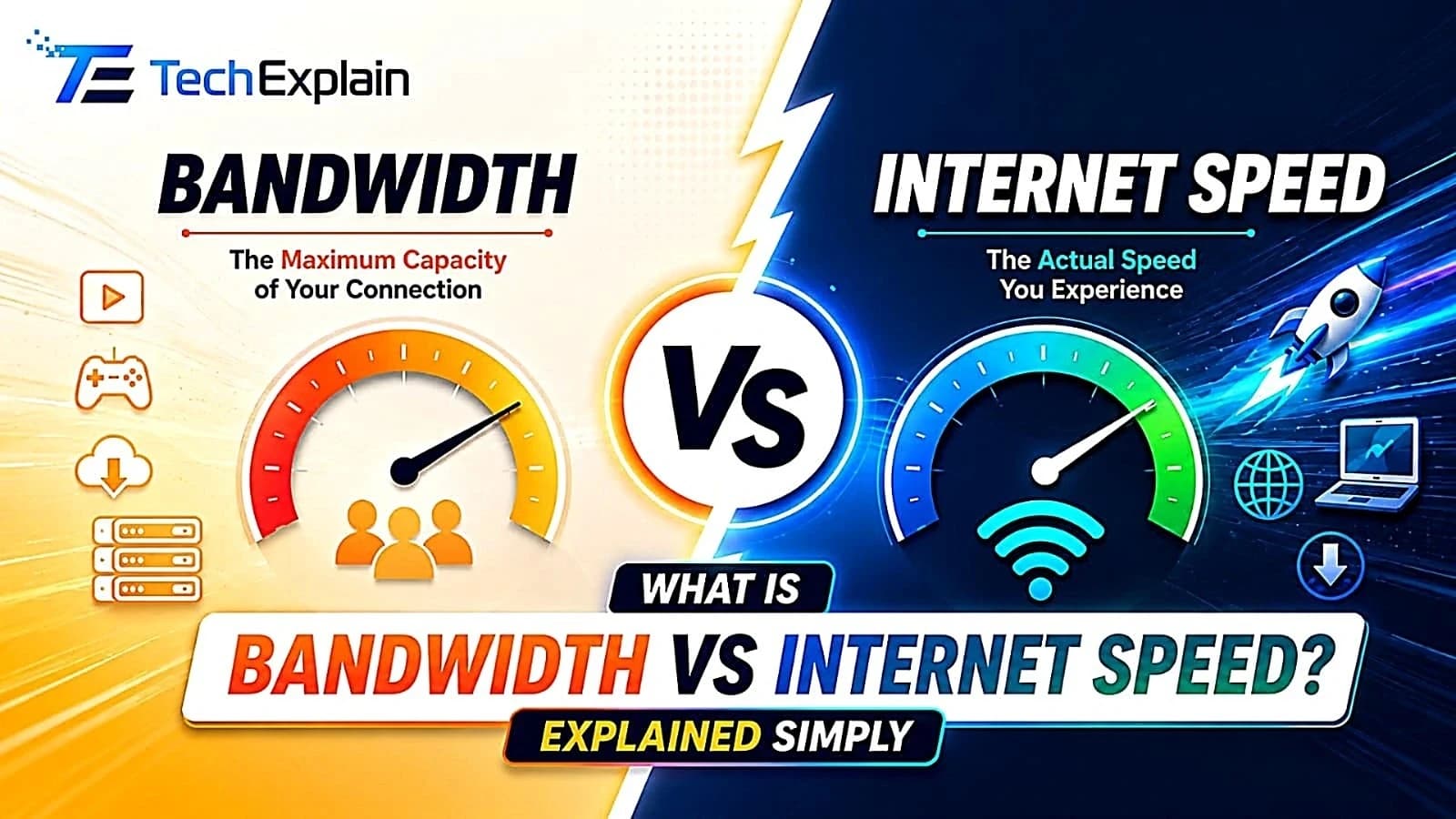
What Is Bandwidth vs Internet Speed? Explained Simply
Bandwidth is how much data your connection can carry, while speed is how fast that data actually moves.
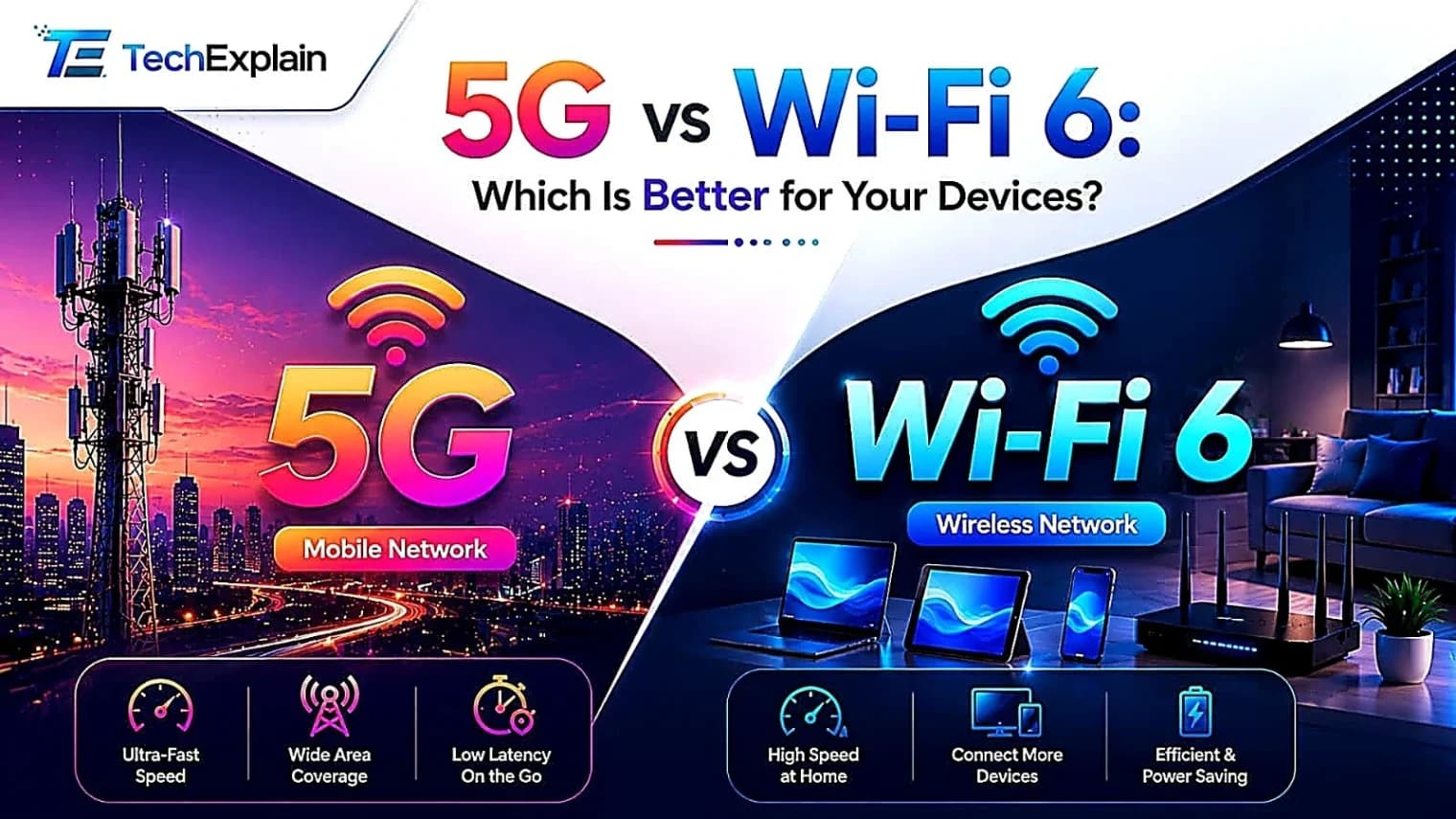
5G vs Wi-Fi 6: Which Is Better for Your Devices?
5G is fast internet for outdoors and travel. Wi-Fi 6 is fast internet for home and office. Using both together works best.
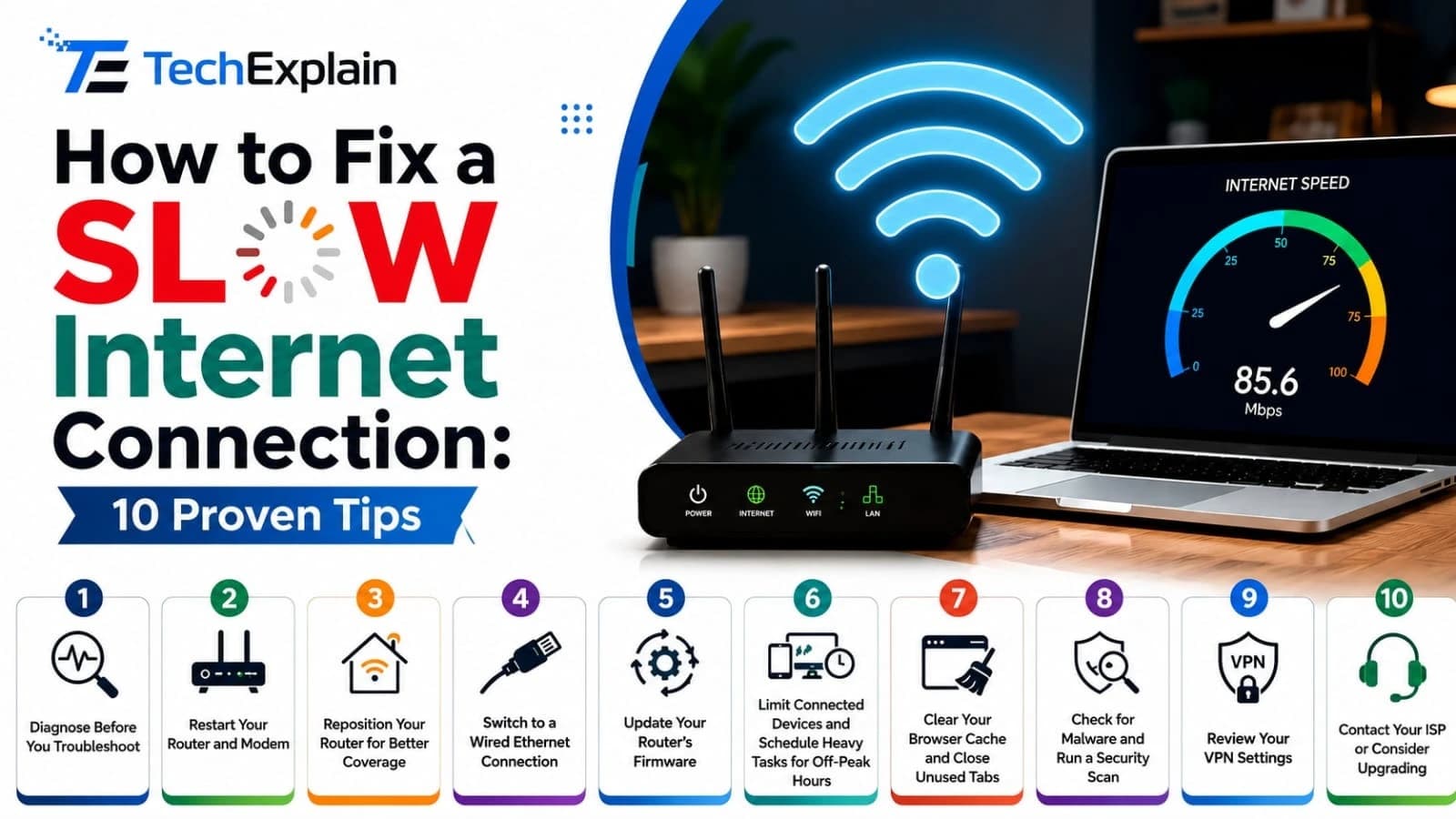
How to Fix a Slow Internet Connection: 10 Proven Tips
This guide shares 10 simple, tested tips to find out why your internet is slow and fix it fast.