
What Is SEO? A Complete Beginner's Guide
A simple beginner's guide that explains what SEO is and how it helps your website rank higher on Google.
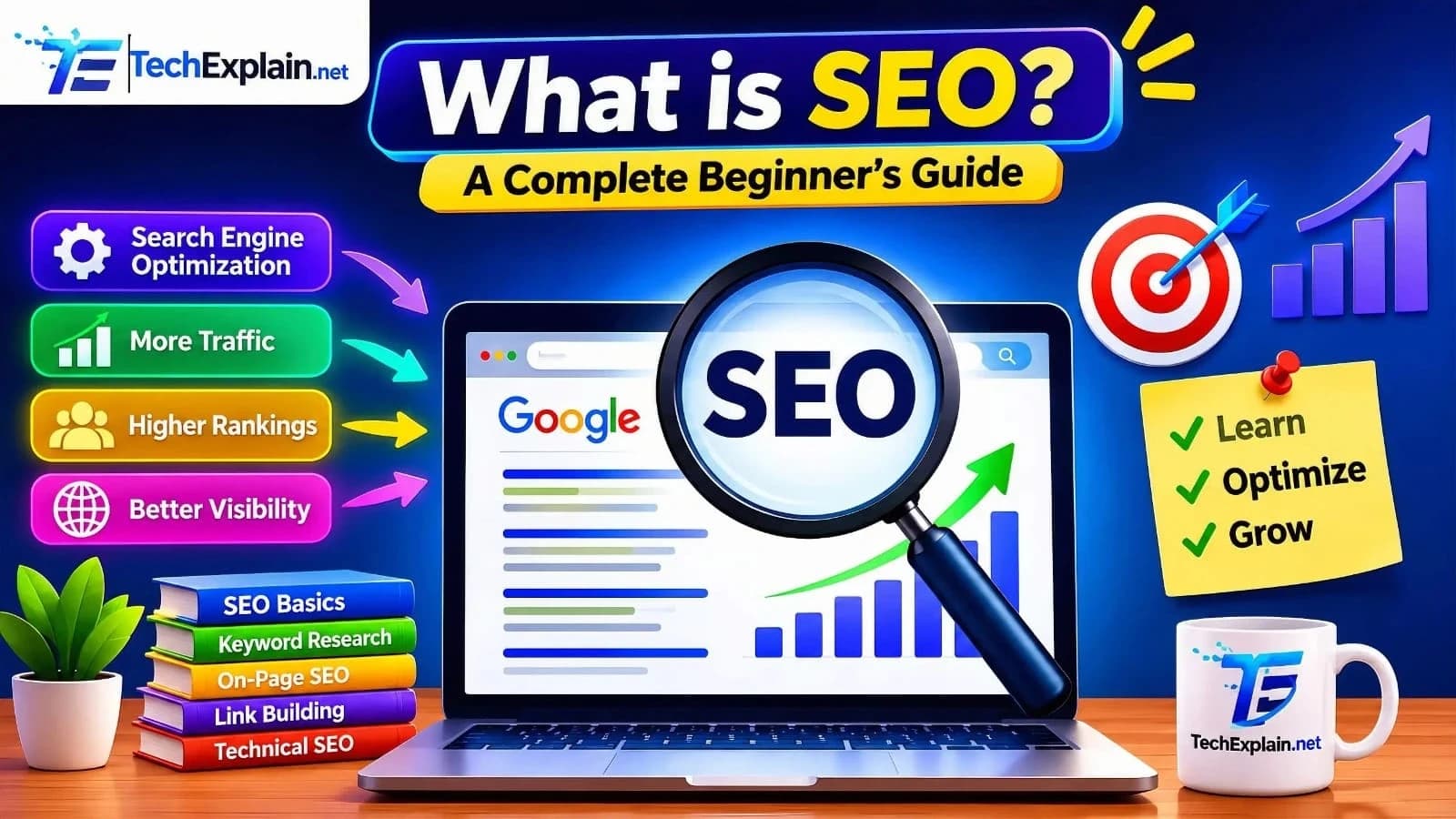
SEO (Search Engine Optimization) is the practice of improving a website to increase its visibility and rank higher on search engines like Google. The three core pillars of SEO are on-page SEO, off-page SEO, and technical SEO
If you've ever used Google and clicked one of the top sites, then you have seen SEO at work. The reason these top sites show up is not because of luck. It is because they have been optimized for Google so it would see their site as valuable and worth displaying. SEO, or search engine optimization, is one of the most powerful tools you can use as the owner of a website. If you're new to SEO, then you may be wondering where to begin. The truth is that SEO does not require a secret guide only accessible to experts. SEO is based on a few simple concepts that any beginner can master. In this guide, you'll learn what SEO really is, how it works, and how you can begin using SEO for yourself.
What Is SEO?

Search engine optimization refers to SEO. Simply put, it involves modifications of the website in order to ensure that search engines such as Google understand the content of the site and have the capability of showing it to individuals who are interested in similar topics. The key objective of SEO is to increase organic traffic on the site.
It may be helpful to consider SEO as ensuring that Google comprehends three things regarding your website: what it is about, its credibility, and whether or not it is valuable for the searcher. When these three things have been established, your website will be more likely to rank high on search engine results pages, where people will view it.
However, it will be good to know that SEO and online advertising are two very distinct things. Online advertising, usually denoted by a small'ad' tag, allows you to instantly get the top slot in search results through payment. SEO is a slow process that requires effort; However, the traffic it generates is free and continuous for years to come.
How Do Search Engines Actually Work?
In order to get an understanding of what SEO entails, it is important to know how a search engine such as Google works. Google makes use of automated robots that keep moving around on the internet and visiting websites to read through them. This process is referred to as crawling.
After crawling is completed, Google analyzes the page and adds some valuable information about it to a large digital library known as the index. If a web page is not indexed, then even the best content will not show up in the search results, which is why crawling and indexing are among the basics of SEO.
The third process takes place each time somebody searches for something on Google, and it is known as ranking. Google goes through all those pages that have been stored in their huge index and finds out which ones suit the particular search query the most and then sorts them out, with the most relevant ones appearing at the top. Getting an idea about all three processes mentioned above is important to understand SEO.
Why Does SEO Matter So Much?

The importance of SEO stems from where people's focus lies. Most people who use Google do not scroll down to page two but end up clicking on one of the few top sites. If your site does not appear on page one, there will be a very high number of potential viewers or buyers who will not access your site, no matter how good your product or content may be.
Another thing that should be considered regarding SEO is that organic search also accounts for a large portion of all the web traffic, usually accounting for more than half of all the traffic to an average website. Since this is not paid traffic like ads, it continues to generate despite not paying any money on that day, making SEO a very cost-effective way to market yourself. It is especially helpful for smaller websites, since they are at risk of being overshadowed by the larger players who have the means to afford more ads.
Search Intent: The Idea Behind Every Search
One such concept that plays an important role in the field of contemporary SEO is search intent. Each time any individual makes a search on Google, he or she has a purpose behind making that particular search. Search intent can simply be defined as the actual intent of the searcher.
Searches can also be classified based on their purpose – either finding information, such as searches where the aim is to find out how something works; or locating an already-known website, such as searches done by people looking for the name of a certain brand. Some searches indicate that the user is still evaluating his options, while others indicate that he is ready to make a purchase immediately. Knowing which of these intentions your search terms fall under and ensuring that you actually have content related to the intention is among the most crucial aspects of ranking these days.
The Three Main Types of SEO
There are usually three main categories for SEO, and knowledge of each one gives newcomers an overall idea of the whole concept without limiting themselves to only one category.
1. On-Page SEO
On-page SEO comprises all elements that can be optimized right from your website. These include content words, headings, title tags, meta descriptions, pictures, and whether the page provides a satisfactory answer to the reader's question. Proper on-page SEO implies that your content should not only be relevant but also well-structured and contain natural keyword phrases that users search for. In the case of a bakery website, when a user looks for "the best chocolate cake recipe" on your website, then proper optimization would involve the inclusion of such a phrase in the title, headings, and a few times throughout the content in an organic manner, and the separation of the recipe into clear steps. Other elements of on-page optimization include the addition of alt text to the pictures, usage of short paragraphs, and internal links to the other useful pages on the website.
2. Off-Page SEO
Off-page SEO is all about activities that occur away from your site but influence how search engines see your site. In particular, the most significant component of off-page SEO is backlinking. This term implies links from other sites linking to your site. When you receive links from other reputable sites, this means that the site owners consider your page worthy of recommendation to their readers. Therefore, it helps you prove to Google that your page is worth visiting. For instance, if a renowned cooking site recommends your recipe for chocolate cake, then one link will be much more influential for your reputation than a huge number of low-quality links from other sites. Apart from social signals and reviews, directory listings are also considered to be a type of off-page SEO because they contribute to the building of the reputation of your site as well.
3. Technical SEO
Technical SEO relates to the technical structure of your website. It includes page speed, mobile usability and responsiveness, site security, as well as its crawlability – meaning there should not be any errors while search engines access your website. No matter how high-quality your content is, chances are good that even the best-written articles will fail to appear on Google's first pages if the technical structure of your website does not live up to expectations. For instance, when you have a site that loads too slowly or looks poorly on mobile devices, people will simply leave your website right away, and such bad performance can also negatively affect the ranking of the particular web page in question. Simple technical SEO changes, such as image compression, link fixes, and the correct security certificate, can often improve your website's overall performance greatly. In the end, these three types of SEO can be compared to three legs of the same table. If a website has amazing content but is technically flawed or slow, it will still perform badly in search results, and vice versa – a technically perfect website will suffer if it lacks backlinks and quality content, so true SEO success lies in combining all three types of SEO into a perfect SEO strategy.
Simple Steps to Start Improving Your SEO
For an individual who is just starting out, SEO does not have to be a scary thing. Keyword research is a great way to begin SEO. It simply means learning the terms and phrases that people type in Google in order to find information about your business or website.
Now that you’ve found your keywords, the next task is to write helpful and relevant content that satisfies all of the questions of your potential visitor. Search engines are very clever now at detecting content that is thin and repetitive in nature or just manipulative to improve its rankings. So, it makes more sense to concentrate on being helpful.
In addition, after publishing your content, it is also important to consider on-page factors. The first step will be to write an effective title tag where you include the key term in a natural way, and add a meta description as well. The next step will be to organize your content with headings, and use alt text for images.
Another vital factor is backlinking, which can take time, but it happens naturally when your content gains more value and starts being used by other people. Finally, it is necessary to monitor the performance of your pages using free services that allow you to see how well your website is ranked, what amount of traffic it receives, and how often it attracts visitors.
Common Mistakes Beginners Should Avoid
One error that is made by many newbies is attempting to fool the search engines rather than helping the visitors. Actions such as overusing a particular keyword, purchasing lots of bad links, and creating content purely for the purpose of making a site appear full may be self-defeating actions, even causing one’s rank to be reduced. Today’s search engines are way ahead of those from previous years and are now able to detect good quality and content more easily.
Yet another error that people usually make is that they expect immediate results from their SEO strategy. SEO is not something that you do once, and then it works immediately. This process requires continuous effort over weeks and months, and the results might take some time to show up. In most cases, patience and consistent efforts usually yield better results.
Frequently Asked Questions
1. What is SEO in simple words? SEO stands for “search engine optimization.” This simply means that you will make changes to your website in such a way that Google and other search engines comprehend it more easily and bring it up in searches.
2. How long does SEO take to show results? SEO does not happen overnight. It can take weeks or months to start seeing any progress, because search engines will require time to crawl and index your website in order to rank it better.
3. What is the difference between on-page and off-page SEO? On-page SEO refers to the factors that you can control directly through your own website, including content, headings, and titles. Off-page SEO is the optimization process done externally by other websites linking to yours.
4. Do I need to know coding to do SEO? SEO basics such as creating great content, selecting proper keywords, and incorporating proper titles and descriptions do not involve coding. However, some of the technical aspects of SEO might require assistance from a developer. Beginners can start doing SEO even without coding skills.
5. Is SEO better than paid ads? SEO and paid advertising have their own unique functions. Paid ads help generate traffic instantly but cease functioning once the payment stops. SEO may take a while to work but generates traffic on a constant basis for years to come.
Conclusion
It might sound like a complex topic, with many new words and lots of aspects, but actually, SEO is based on one simple concept: make it clear to the search engines what your website is about and, more importantly, help those who are looking for it. With an understanding of search engines' crawling, indexing, and ranking pages, search intent, as well as all types of SEO, anyone can improve their website's results in Google.
SEO isn’t something you do once and are done with. It’s an endeavor that needs to take into account patience and perseverance. The more you work on creating actual value-added content, ensuring your website functions properly, and gaining the trust of both your audience and other sites, the more solid the foundation for your site’s traffic becomes – without having to buy each and every one of those visits.
Share this article
Related Articles
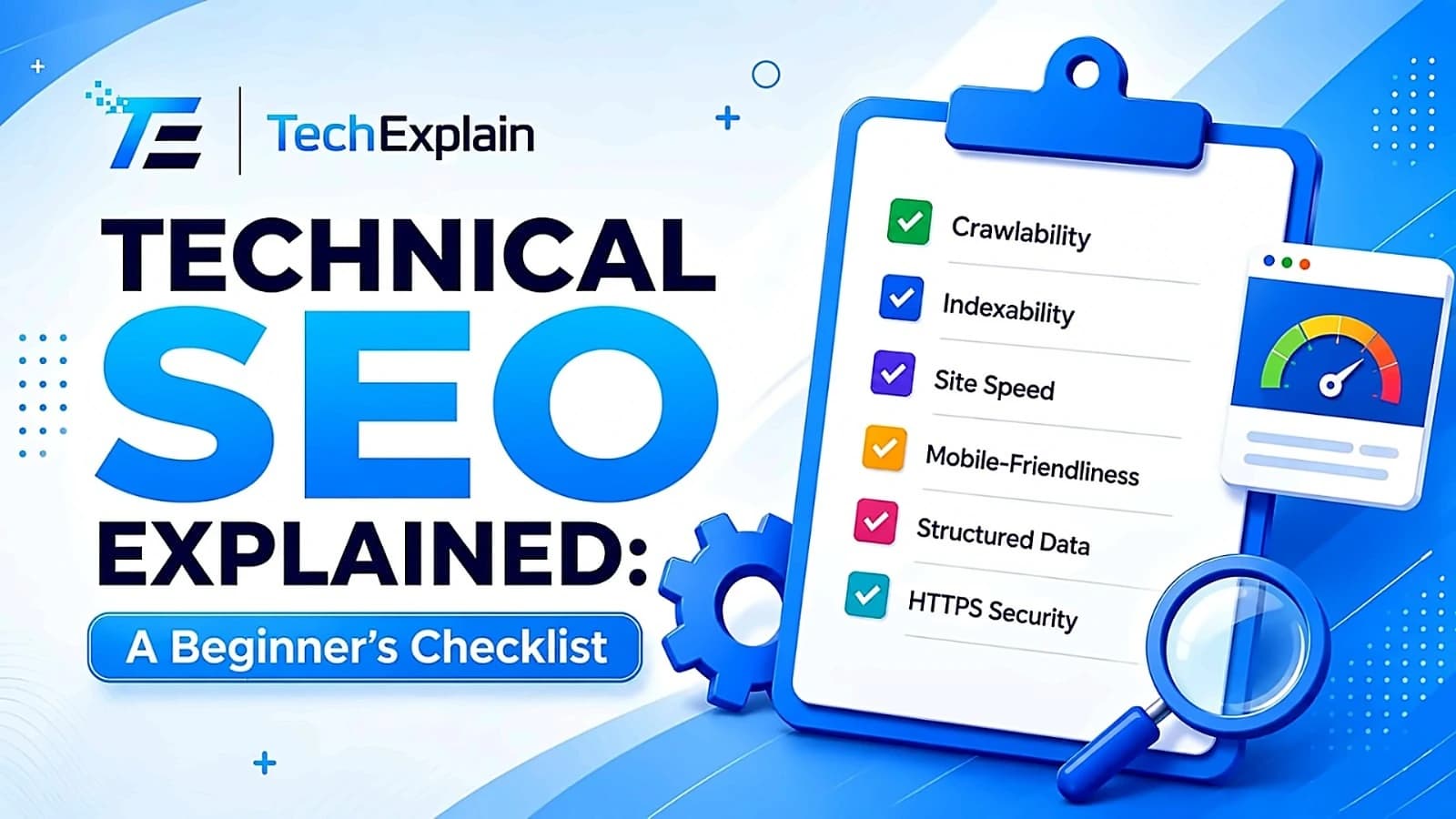
Technical SEO Explained: A Beginner's Checklist
This guide breaks down technical SEO into a simple checklist so beginners can find and fix the issues stopping their site from ranking.
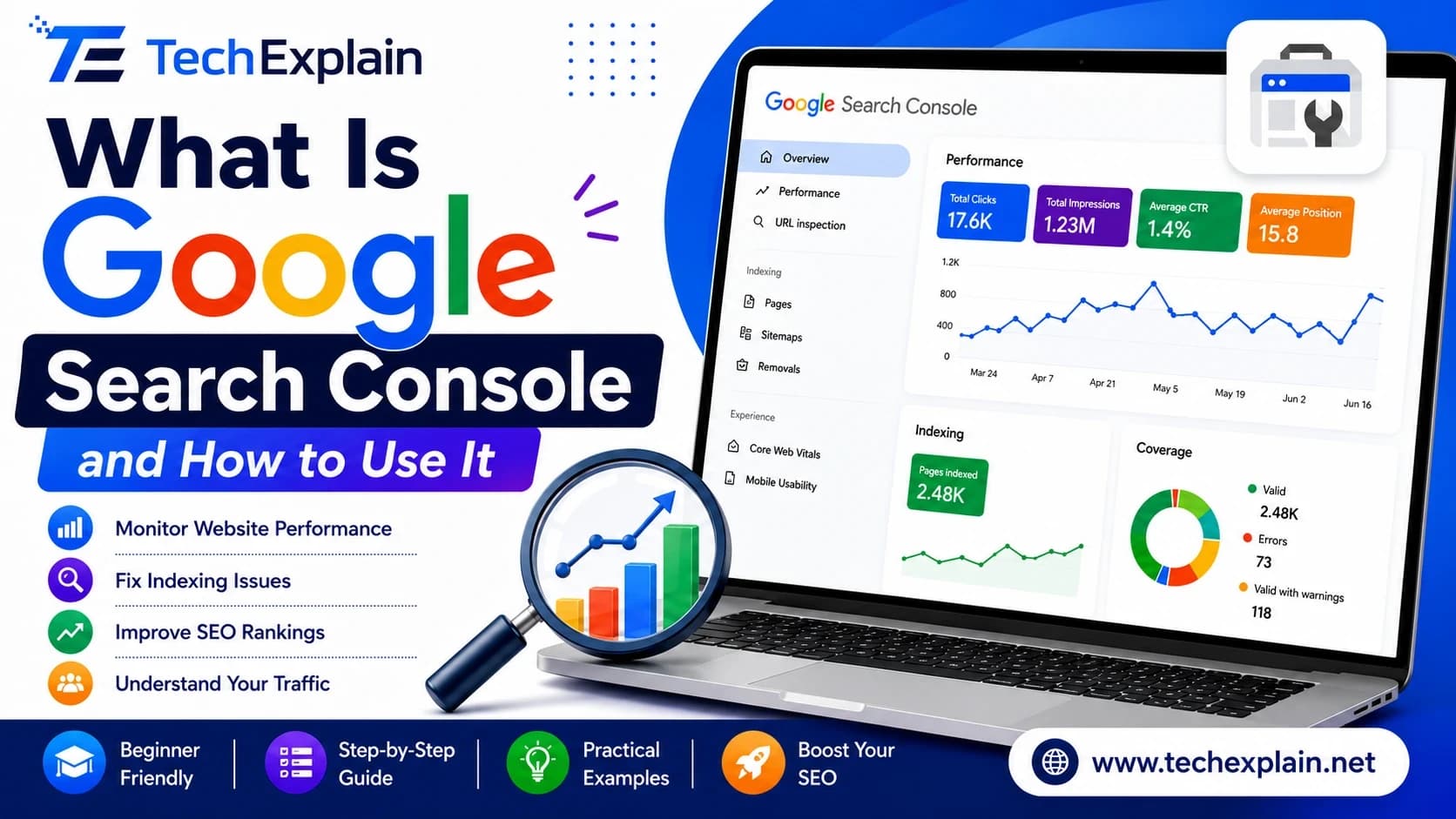
What Is Google Search Console and How to Use It
Google Search Console is a free Google tool that shows how your website performs in search, helps fix errors, and boosts your SEO.

Best Free SEO Tools for Beginners in 2026
This article lists the top free SEO tools you can use in 2026 to research keywords, fix website problems, and get more visitors from Google, without paying anything.